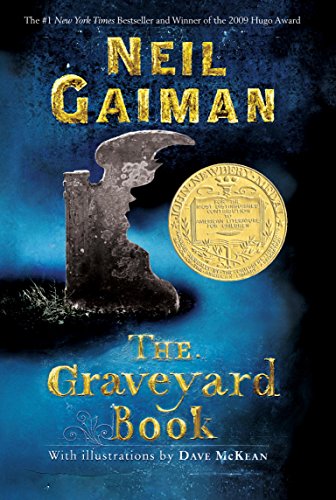
 First of all, I cannot recommend the audiobook narrated by the full cast nearly enough. It’s like one of those classic radio dramas and I am here for it! And now, for the book itself. “The Graveyard Book” is, I think, a book meant for children. But it starts with the murder of the main characters entire family when he’s just an infant, but he’s too excited by an open door and an awaiting adventure to notice. He ends up in the local graveyard where the resident ghosts and vampire (though I think it’s wonderful that Gaiman never uses that word, but we all know what he is) decide to protect and raise the child as their own. Each chapter is a little window into a year of Nobody Owens life as he grows and is taught by the different ghosts and the lessons he learns along the way. Because of this format, the adventure eventually ends before everything is wrapped up. Which is by design as we get the story mainly from a child, after all, but it could be a little frustrating at times.
0 Comments
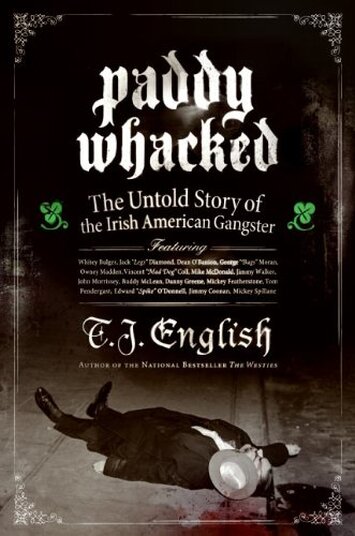 I like T.J. English’s work when it comes to mafia/gangster histories, he’s become a go-to for me when my true crime itch has me turning to organized crime. He always does a thorough job with research and has a great ability to take information that spans decades and tie it together through the people and groups to craft a surprisingly linear “story”, if you will. But this is hardly the “untold” history of the Irish American Gangster. It is, however, a very dense complete history of the organization that took me over a month to finally finish reading.
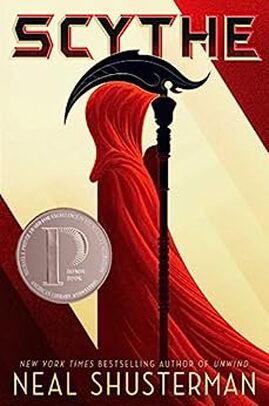 I was pretty excited to read this one because so many of my friends and mutuals have loved it. Admittedly, I am late to the party (what else is new) but I really loved the premise of this YA utopia turned dystopian. Imagine a world where death and poverty and hunger and disease have all been eradicated. No one wants for anything and, when you get “too old” you can just turn a corner and reset yourself to a younger time. But when death is a thing of the past, and people’s existences become a bit meaningless, population control becomes a big necessity. Hence the creation of the Order of the Scythe, or a modern-day reaper. What they bring is the only true, permanent death, but not everything is as it should be in this order, so leave it up to a couple of teenagers to uncover that, but not for a while. And, once the world building was set up, the book became far too predictable and frustrating for me, which made me wonder, did I read the same book as everyone else?
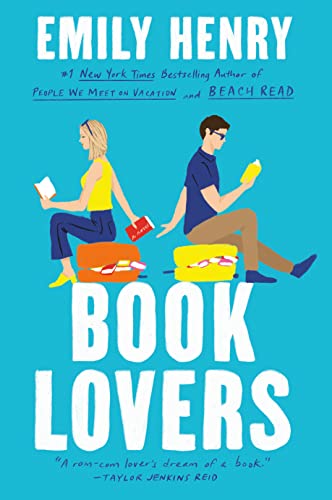 This was my first Emily Henry book after hearing so many good things about her contemporary romances. The thing everyone raves the most about? Her character banter and “Book Lovers” definitely delivered on that front! We follow a shark of a literary agent, Nora, as she tries to bridge the invisible gap between her and her baby sister with a semi-spontaneous month-long trip to the very location her best selling client based HER romance book on. Once there, Nora runs into the grumpy editor who she is convinced hates her after he passed on her client’s book. Cue small town romance! The very thing Nora says will never happen to her. This book is incredibly meta in regards to its story, and it was a little odd (in a good way) to read about two people in the publishing business as an author myself—it was fun but also plays into the self-aware nature this book is steeped with. But this book felt more like a family drama than a romance.
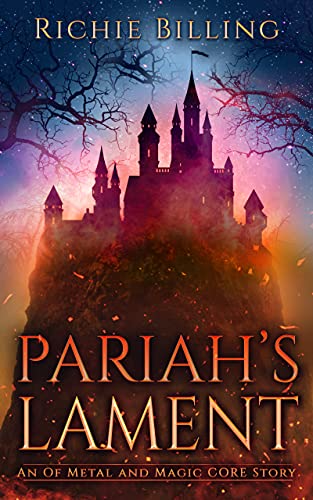 “Pariah’s Lament” is a fantasy tale full of political intrigue and warfare, but perhaps the most interesting thing about this book is that it is part of a universe that is shared by several other authors all with individual stories to tell. I’ve read books with multiple authors before, and have heard of some romance books that are written by other authors in a shared universe, but this is the first time I came across such a thing in a traditional fantasy novel. We start our journey with a failed assassination attempt on the leader of a country, the Keeper to which one of our main characters is an advisor to. And while they are attempting to figure out who was behind the assassination attempt and all the machinations around that, we also get the story of a young woman, an outcast amongst her village, who is snatched away by an ancient race desperate for her help in preserving what is left of their people. These two groups need each other to survive, even if they don’t realize it until close to half way through the book…
|
Click the book images to see them on Amazon!
Categories
All
|


 RSS Feed


